
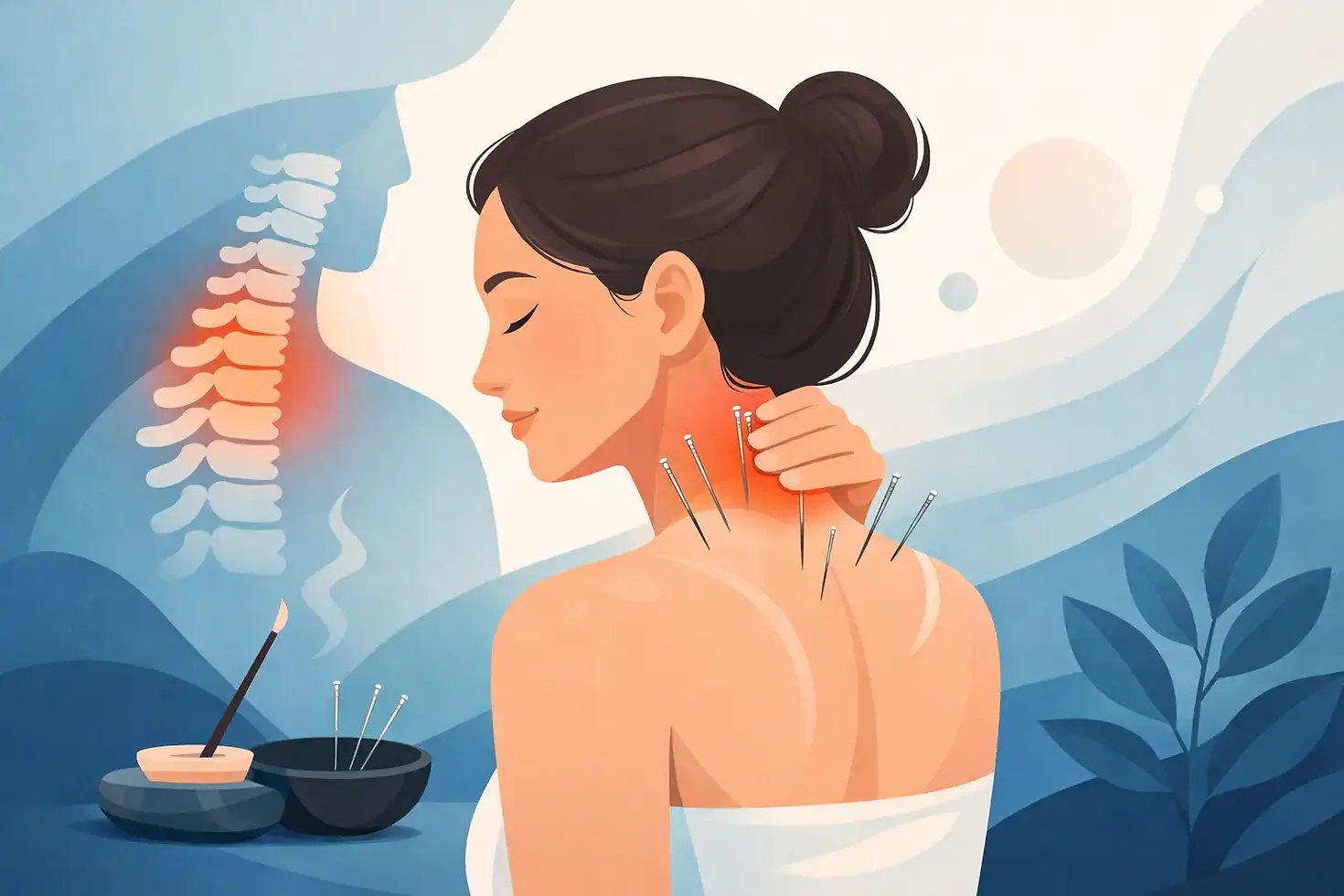
Acupuncture for Neck Pain and Ongoing Stiffness
- Brandon Lau
- 1 day ago
- 5 min read

A neck that will not turn properly can affect far more than comfort. It can make reversing the car, sitting through a workday, sleeping well, or simply looking down at your mobile feel difficult. Acupuncture for neck pain offers a natural, personalised way to address pain, muscle tension and restricted movement while considering the factors that may be keeping the problem active.
At KO Healing Acupuncture, treatment is not approached as a generic wellness session. Your practitioner looks at where and when your pain occurs, how it affects your movement and sleep, and the broader picture of stress, posture, activity, headaches and recovery. This helps create a treatment plan with clear intentions: reduce pain, settle tight muscles, improve range of motion and support more lasting relief.
Why neck pain can be hard to shift
Neck pain is rarely caused by one thing alone. Long hours at a desk, sustained screen use, awkward sleeping positions, a demanding training routine, jaw clenching and emotional stress can all place extra load on the neck and upper back. Sometimes pain begins after a clear trigger, such as lifting, a sporting incident or a minor car accident. In other cases, it gradually builds until stiffness becomes part of everyday life.
From a modern medical perspective, many common cases involve irritated soft tissues, muscle guarding, reduced joint mobility or sensitivity in the nervous system. The body tightens an area to protect it, but ongoing tension can then limit circulation and movement, creating a frustrating cycle of discomfort.
Traditional Chinese Medicine views neck pain through a broader lens. It considers the movement of blood and energy through the channels of the neck, shoulders and upper back, while also recognising how stress, poor sleep, overwork and constitutional health can contribute to persistent tension. These perspectives are complementary. They allow treatment to focus on the painful area while also addressing patterns that may be slowing recovery.
How acupuncture for neck pain may help
Acupuncture involves placing very fine, sterile single-use needles at selected points on the body. Some points may be close to the neck, shoulders or upper back, while others may be on the hands, arms, legs or feet. Point selection is individual and based on your symptoms, movement patterns and overall health presentation.
Research suggests acupuncture may help some people with neck pain by influencing pain signalling, encouraging local blood flow, reducing muscle tension and supporting the body’s natural pain-modulating responses. Many clients also find that treatment helps them shift out of a heightened stress response, which can be especially relevant when neck and shoulder tension rises during busy or anxious periods.
The goal is not to force the neck to relax in one appointment. It is to create the conditions for the area to settle, move more freely and tolerate normal daily demands again. For recent muscular strain, this may happen relatively quickly. For longstanding pain that comes with headaches, jaw tension, disrupted sleep or recurring flare-ups, a more gradual approach is often more realistic.
What does treatment feel like?
Most people describe acupuncture as comfortable and far gentler than they expected. You may notice a brief sensation as a needle is inserted, followed by heaviness, warmth, tingling or a dull ache around a point. These sensations are usually mild and short-lived.
Your treatment may also include gentle cupping, heat therapy, massage techniques or Chinese herbal medicine where appropriate. These are selected because they support a specific treatment goal, not simply because they are routinely included. If you are new to acupuncture, your practitioner will explain what is being recommended and why before beginning.
Your first appointment: a practical, personalised assessment
A useful neck pain treatment starts with a clear assessment. Your practitioner will ask about the onset and location of pain, whether it travels into the shoulder or arm, and what movements are limited. They may also ask about headaches, dizziness, jaw clenching, sleep quality, stress levels, work setup and exercise habits.
This conversation matters because similar pain can require different care. A person whose neck becomes tight after long days at a laptop may benefit from a different strategy than someone with pain after a gym injury, or someone whose neck tension is linked with migraines and poor sleep.
Treatment begins with a plan that reflects your current capacity. In an acute flare-up, the first priority may be calming pain and guarding so you can move more comfortably. With chronic tension, the plan may include a series of treatments alongside practical changes to workstation setup, movement breaks, sleep position or stress management.
How many sessions will you need?
There is no single answer, and promising a fixed number of sessions would not be clinically honest. The right treatment frequency depends on how long the pain has been present, its severity, whether there are associated symptoms and how your body responds.
For a recent episode of neck pain, closer-together treatments may be recommended initially, followed by less frequent care as symptoms improve. Persistent or recurring neck pain often benefits from a structured course of treatment, with progress reviewed along the way. Your practitioner should explain what changes to look for, such as easier rotation, fewer pain episodes, improved sleep or less reliance on pain relief medication.
Progress is not always linear. You may have a better week followed by a flare-up after travel, poor sleep, a stressful deadline or an unusually demanding workout. That does not necessarily mean treatment is not working. It can be useful information about the triggers your plan needs to address.
Supporting treatment between appointments
Acupuncture works best as part of a broader recovery plan. Small, consistent adjustments are often more helpful than an intense stretch routine done once a week. Your practitioner may recommend gentle neck and upper-back movement, regular breaks from screens, heat for tight muscles or simple breathing practices to reduce habitual shoulder tension.
Be cautious with aggressive self-treatment when your neck is irritated. Forceful stretching, repeated cracking or pushing through sharp pain can aggravate an already sensitive area. The aim is comfortable movement and gradual confidence, not trying to achieve perfect posture or complete flexibility overnight.
If you work at a desk, changing position regularly is generally more valuable than finding one supposedly perfect posture. Set your screen at a comfortable height, keep frequently used items within easy reach and take brief movement breaks before stiffness builds. If you regularly wake with neck pain, it may also be worth reviewing your pillow height and sleeping position.
When neck pain needs medical assessment
Acupuncture can be a valuable part of care for many common forms of neck pain, but it is not a replacement for appropriate medical assessment. Seek urgent medical attention if neck pain follows a significant accident or injury, or occurs with severe headache, fever, unexplained weight loss, new weakness, numbness, loss of coordination, changes to bladder or bowel function, chest pain, or pain that is rapidly worsening.
It is also sensible to speak with your GP if pain travels down the arm, you notice persistent pins and needles, or symptoms are not improving as expected. A collaborative approach can be the safest and most effective one. Your acupuncturist can work within the scope of your care and encourage further assessment when needed.
A calmer, more capable neck
Neck pain can be exhausting because it follows you into work, rest and movement. Thoughtful acupuncture care gives you space to understand what may be driving the tension and a practical plan for moving forward. If you are seeking a personalised, natural approach to neck pain and stiffness, booking an assessment can be a constructive first step towards feeling more comfortable in your body again.



Comments