
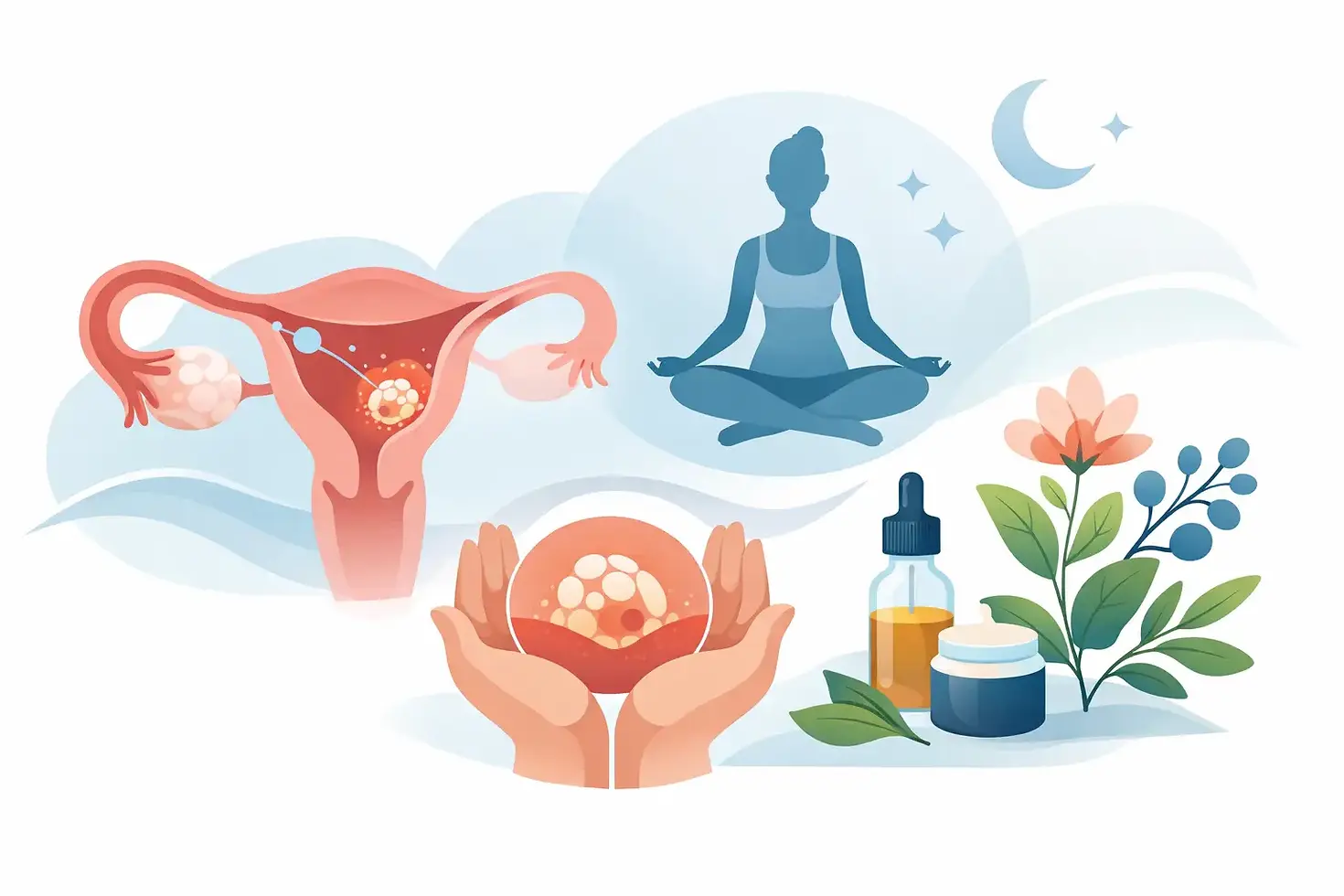
Natural Support for Implantation: What Helps?
- Brandon Lau
- Jun 26
- 6 min read

Updated: Jul 12
The two-week wait can feel longer than it sounds. By the time I reach ovulation, I may already be analysing every symptom, every cramp, and every decision from coffee to bedtime. When people ask about natural support for implantation, they usually seek genuine help. They want to know what may truly assist the body in creating the right conditions for an embryo to implant, distinguishing between hype and helpful advice.
Understanding Implantation
Implantation is a complex biological process. A healthy embryo needs to reach the uterus at the right stage, and the uterine lining must be receptive at the right time. Hormones, blood flow, immune signalling, stress load, sleep, inflammation, and overall health can all play a part. However, there is no single trick that guarantees implantation. The body tends to respond best when the basics are well supported, and the treatment approach is personalised.
What Natural Support for Implantation Actually Means
Natural support for implantation is not about forcing the body to do something unnatural. It is about improving the environment in which conception and early pregnancy are more likely to occur. In practical terms, that often means supporting ovulation quality, hormone balance, uterine blood flow, digestion, nervous system regulation, and recovery from stress.
From a modern medical perspective, implantation depends on timing, endometrial receptivity, and embryo quality. In contrast, Traditional Chinese Medicine describes this through patterns such as blood deficiency, qi stagnation, kidney deficiency, or cold in the uterus. These frameworks may differ, but they often point toward similar treatment goals: better circulation, steadier hormones, improved energy, calmer stress responses, and stronger overall health.
That is why a personalised plan matters. Two people can both be trying to support implantation, but one may need more focus on stress and sleep, while another may require support for painful periods, irregular cycles, digestive issues, or recovery after IVF stimulation.
The Foundations That Support Implantation Naturally
If I am looking for natural support for implantation, the most useful place to start is not with a supplement trend. It is with the factors that influence reproductive function daily.
The Importance of Sleep
Sleep is one of them. Poor sleep can affect stress hormones, blood sugar regulation, and hormone rhythm, all of which can influence fertility. I do not need perfect sleep to conceive, but regular, restorative sleep gives the body a better chance to regulate itself. If my sleep is broken, shallow, or delayed, that is worth addressing rather than dismissing.
Managing Stress
Stress is another major factor, although it needs to be handled with care. Stress does not mean I have caused fertility difficulties. That idea is unfair and unhelpful. However, chronic stress can affect the nervous system, digestion, inflammation, and hormone communication. When the body spends long periods in a heightened stress state, reproduction may not receive ideal physiological support. Calming that stress response can be useful, not because relaxation guarantees pregnancy, but because the body generally functions better when it is not constantly on alert.
Nutrition Matters
Nutrition also plays a crucial role, though not in a rigid or punishing way. Under-eating, erratic meals, excessive alcohol, and highly processed diets can all make it harder for the body to maintain stable energy and hormone health. A nourishing fertility-focused diet usually centres on adequate protein, iron-rich foods, healthy fats, fibre, and a broad range of micronutrients. For some, it also means treating digestive symptoms that interfere with absorption or appetite.
The Role of Movement
Movement helps too, especially when it supports circulation and stress relief without pushing the body into exhaustion. Gentle to moderate exercise is often beneficial. Excessive high-intensity training, particularly if paired with low energy intake, can be less helpful for some women trying to conceive. It depends on my cycle, symptoms, and overall health picture.
Acupuncture and Implantation Support
Acupuncture is often sought as natural support for implantation because it can be used to support several relevant systems at once. In clinical practice, treatment may aim to improve pelvic blood flow, regulate cycle patterns, reduce stress, ease inflammation-related symptoms, and support the body before and after ovulation or embryo transfer.
Modern research into acupuncture and fertility is still evolving, and results are not identical across every study. That matters. Acupuncture should not be presented as a guarantee. However, many patients include it in their fertility care because it is low intervention, tailored, and often helps with symptoms that can affect the broader fertility picture, such as anxiety, sleep disturbance, headaches, digestive upset, and period pain.
In a Traditional Chinese Medicine framework, acupuncture is selected according to my pattern rather than just my diagnosis. For example, a person with cold hands, late periods, and significant fatigue may be treated differently from someone with irritability, breast tenderness, and a wiry, tense presentation. Both may be trying to support implantation, but the treatment strategy would not be identical.
That is where a results-driven approach matters. Good care is not about putting every fertility patient on the same points and hoping for the best. It is about assessing cycle history, symptoms, timing, and treatment goals clearly.
Timing Matters More Than People Realise
One of the biggest misconceptions around implantation support is that more is always better. More supplements, more exercise, more tracking, more treatment. In reality, timing and appropriateness are often more important than quantity.
The implantation window is brief. Before that point, the body needs to prepare through follicular development, ovulation, and endometrial growth. Support may look different at different phases of the cycle. Earlier in the cycle, the focus may be on blood building, hormone support, and follicle development. Around ovulation, the goal may shift towards circulation and smooth hormonal transition. After ovulation, the emphasis often moves to maintaining a stable luteal phase and reducing anything that may disrupt early implantation.
This is also why self-prescribing herbs or supplements can be risky. Some ingredients promoted online as fertility support may not suit the luteal phase, may be poorly matched to my symptoms, or may interfere with medical treatment. If I am trying naturally, preparing for IVF, or in the middle of a transfer cycle, my support plan should match that context.
When IVF is Part of the Plan
For patients going through IVF, natural support for implantation does not replace medical care. It works best as an adjunct. The embryo, medications, uterine lining, and timing are all being managed very precisely, so any complementary treatment should respect that structure.
This is where acupuncture is often valued for practical reasons. Many patients use it to support stress regulation, improve sleep, manage treatment side effects, and maintain a sense of stability during what can be a physically and emotionally demanding process. Depending on the stage of IVF, treatment may also focus on circulation and supporting a calmer internal environment around transfer.
The most helpful mindset is integration, not either-or. If I am under the care of a fertility specialist, complementary treatment should sit alongside that plan rather than compete with it.
What to Be Cautious About
The fertility space can be full of confident promises. If someone claims a tea, supplement, or detox will boost implantation, I need to be careful. Implantation is not something that can be switched on with a trend.
I should be particularly wary of restrictive diets, aggressive cleansing protocols, and blanket supplement advice. These approaches can add stress, reduce nutritional adequacy, and create confusion at a time when the body needs consistency. Natural does not always mean harmless, especially when herbs and supplements are used without clinical guidance.
It is also worth being realistic about what symptoms may signal a deeper issue. Recurrent implantation failure, very painful periods, irregular cycles, known endometriosis, thyroid issues, male factor fertility concerns, or repeated early loss all deserve proper assessment. Holistic care is valuable, but it is strongest when it works with clear information rather than guesswork.
A Personalised Approach Usually Works Best
Natural support for implantation is rarely about one magic intervention. It is usually the cumulative effect of better sleep, steadier stress responses, well-timed care, improved circulation, stronger nourishment, and treatment tailored to my cycle and health history.
At a clinic such as KO Healing Acupuncture, that kind of care is not framed as vague wellness. It is structured, individualised support with clear treatment intention. For some, that means preparing for conception over several months. For others, it means supporting an IVF cycle, regulating periods after coming off the pill, or helping the body recover after a long period of stress.
If I am trying to conceive, it can help to stop asking whether there is one thing that will make implantation happen and start asking what my body may need to function more smoothly as a whole. That question tends to lead to better care and often to a more manageable, less overwhelming fertility journey.
A helpful place to begin is with support that is calm, informed, and specific to me—because when the goal is implantation, the body usually responds best to consistency, timing, and care that makes clinical sense.


Comments